
In the digital age, the way consumers discover and trust brands has fundamentally changed. Traditional advertising, while still relevant, often struggles to cut through the noise of an oversaturated market. Today’s audiences crave authenticity, relatability, and personal connections—qualities that influencer marketing delivers in spades.
This shift has given rise to a new era of brand-building, where partnerships with content creators and social media personalities can drive awareness, credibility, and sales like never before. For businesses looking to make a lasting impact, understanding how to leverage these collaborations is no longer optional—it’s essential.
In this guide, we’ll explore the transformative potential of influencer marketing, from identifying the right voices to measuring success and fostering long-term relationships that resonate with your audience.
The Evolution of Consumer Trust
Gone are the days when consumers relied solely on billboards, TV commercials, or magazine ads to inform their purchasing decisions. The internet has democratized information, and with it, the power of recommendation. Studies show that 92% of consumers trust recommendations from individuals—even if they don’t know them personally—over traditional advertising.
This trust is the foundation of influencer marketing. When a creator shares their genuine experience with a product or service, their audience perceives it as a personal endorsement rather than a corporate pitch. This authenticity is what makes influencer collaborations so powerful.
But how did we get here? The rise of social media platforms like Instagram, YouTube, and TikTok has turned everyday individuals into trusted voices. These platforms allow creators to build communities around shared interests, whether it’s fitness, fashion, tech, or parenting. For brands, this means an opportunity to tap into highly engaged, niche audiences that are already primed to listen.
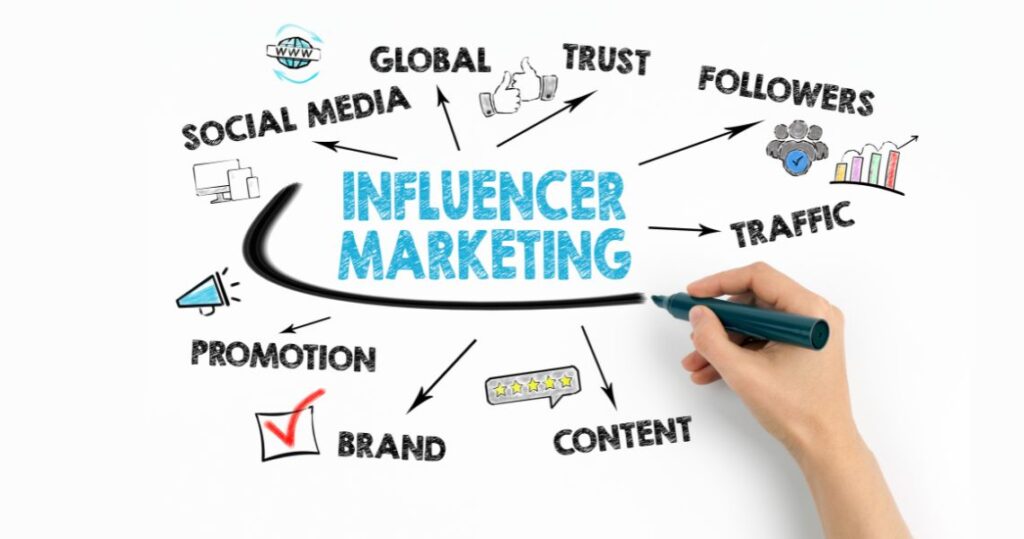
Why Influencer Partnerships Work
1. Humanizing Your Brand
People connect with people, not logos. Influencers bring a human face to your brand, making it more relatable and approachable. When a fitness coach demonstrates how they use your protein powder in their daily routine, or a mom blogger shares how your baby product makes her life easier, they’re not just selling—they’re storytelling. This emotional connection fosters brand loyalty and encourages audiences to see your product as part of their own lives.
2. Reaching Niche Audiences
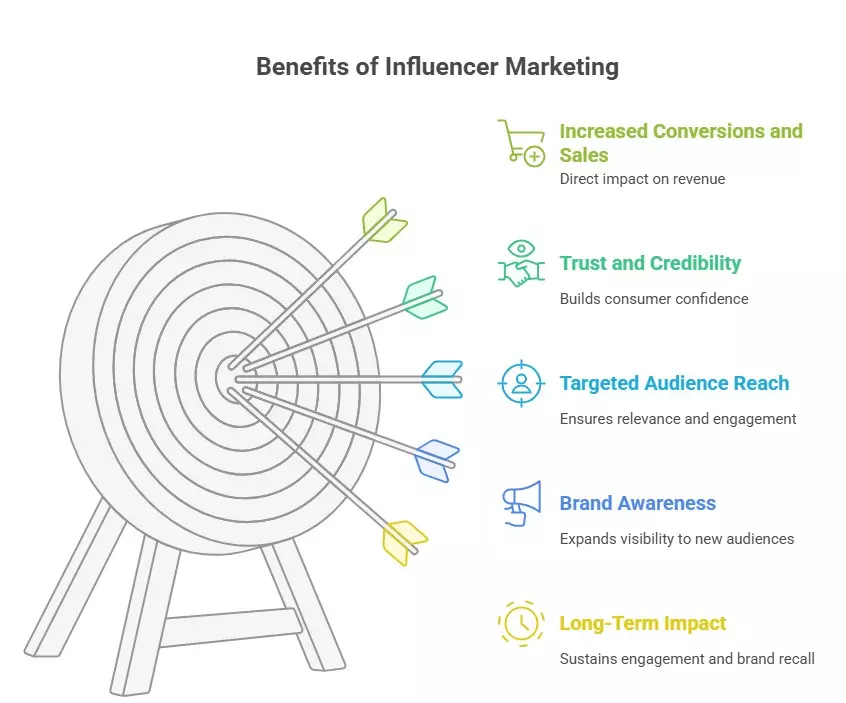
One of the biggest advantages of influencer marketing is the ability to target specific demographics with precision. Unlike broad-reach advertising, influencer partnerships allow you to connect with audiences that are already interested in your niche. For example:
- A skincare brand can partner with dermatologists or beauty enthusiasts to reach consumers passionate about self-care.
- A tech startup can collaborate with gadget reviewers to engage early adopters and tech-savvy buyers.
- A sustainable fashion label can work with eco-conscious influencers to appeal to environmentally aware shoppers.
This targeted approach ensures that your marketing efforts are seen by the people most likely to convert.
3. Driving Engagement and Conversions
Influencer content is designed to spark interaction. Whether it’s a poll on Instagram Stories, a comment section discussion on YouTube, or a TikTok challenge, these engagements create a two-way dialogue between brands and consumers. This interaction not only boosts visibility but also builds community around your brand.
Moreover, influencer marketing often leads to higher conversion rates. According to a recent survey, 49% of consumers depend on influencer recommendations for purchase decisions. When an influencer shares a discount code or a direct link to your product, their followers are more likely to take action—whether it’s making a purchase, signing up for a newsletter, or visiting your website.
4. Boosting SEO and Social Proof
Influencer collaborations can also enhance your brand’s online presence. When influencers mention your brand in their posts, stories, or blogs, they generate backlinks and social signals that improve your search engine rankings. Additionally, user-generated content (UGC) from influencer campaigns—such as reviews, unboxing videos, or testimonials—serves as powerful social proof, reassuring potential customers of your product’s value.
Finding the Right Influencers for Your Brand
Not all influencers are created equal, and the key to a successful partnership lies in alignment. Here’s how to identify the right creators for your brand:
1. Define Your Goals
Before reaching out to influencers, clarify what you want to achieve:
- Brand Awareness: If your goal is to increase visibility, focus on influencers with a broad reach.
- Engagement: For deeper audience interaction, prioritize creators with high engagement rates (likes, comments, shares).
- Conversions: If sales are your primary objective, look for influencers with a track record of driving purchases, such as those who frequently share affiliate links or discount codes.
2. Consider Audience Demographics
The influencer’s audience should mirror your target market. Analyze their follower demographics, including:
- Age
- Gender
- Location
- Interests
- Income level
Tools like Social Blade, HypeAuditor, or platform-specific insights (e.g., Instagram Analytics) can provide valuable data to ensure alignment.
3. Evaluate Engagement and Authenticity
A high follower count doesn’t always translate to influence. Look for creators with:
- Consistent engagement: Are their followers actively liking, commenting, and sharing their content?
- Authentic content: Does their feed feel genuine, or is it cluttered with obvious sponsorships?
- Relevance: Does their content align with your brand’s values and messaging?
Micro-influencers (10K–100K followers) often have higher engagement rates than mega-influencers, making them a cost-effective choice for many brands.
4. Review Past Collaborations
Examine the influencer’s previous brand partnerships. Did they promote similar products? How did their audience respond? This can give you insight into how well your collaboration might perform.
Crafting a Successful Influencer Campaign
1. Set Clear Expectations
Before launching a campaign, outline the following with your influencer:
- Campaign goals: What do you want to achieve? (e.g., 10% increase in website traffic, 500 new followers)
- Deliverables: What type of content is expected? (e.g., Instagram posts, Stories, YouTube videos)
- Timeline: When should the content be published?
- Compensation: Will you pay a flat fee, offer free products, or provide a commission?
A well-defined agreement ensures both parties are aligned and reduces the risk of misunderstandings.
2. Encourage Creative Freedom
Influencers know their audience best. While it’s important to communicate your brand’s key messages, allow them the creative freedom to present your product in a way that resonates with their followers. Authenticity is key—scripted or overly promotional content can alienate audiences.
3. Leverage Multiple Content Formats
Diversify your campaign by incorporating various types of content:
- Instagram Posts and Stories: Great for visual appeal and quick engagement.
- YouTube Videos: Ideal for in-depth reviews, tutorials, or unboxings.
- TikTok Challenges: Perfect for viral reach and user participation.
- Blog Posts: Useful for SEO and long-form storytelling.
4. Use Tracking and Analytics
To measure the success of your campaign, implement tracking tools such as:
- UTM parameters: Track traffic sources and conversions from influencer links.
- Affiliate codes: Monitor sales generated by specific influencers.
- Social media insights: Analyze engagement metrics (likes, shares, comments) and follower growth.
Measuring the Success of Your Campaign
1. Key Performance Indicators (KPIs)
Depending on your goals, focus on the following KPIs:
- Reach: Number of unique users who saw the content.
- Engagement: Likes, comments, shares, and saves.
- Conversions: Sales, sign-ups, or other desired actions.
- ROI: Return on investment, calculated by comparing campaign costs to revenue generated.
2. Analyzing Audience Sentiment
Beyond numbers, pay attention to audience feedback. Are followers leaving positive comments? Are they tagging friends or sharing the content? Qualitative insights can provide a deeper understanding of your campaign’s impact.
3. Long-Term Impact
Influencer marketing isn’t just about immediate results. Consider the long-term benefits, such as:
- Brand loyalty: Repeat collaborations can turn influencers into brand ambassadors.
- Content repurposing: User-generated content from campaigns can be reused in future marketing efforts.
- SEO benefits: Backlinks and social mentions can improve your search rankings over time.
Building Long-Term Influencer Relationships
1. Foster Genuine Connections
Treat influencers as partners, not just promoters. Engage with their content, celebrate their successes, and show appreciation for their work. A strong relationship can lead to more authentic and effective collaborations.
2. Offer Fair Compensation
Influencers invest time and effort into creating content. Ensure they are fairly compensated, whether through monetary payment, free products, or exclusive perks. Fair compensation fosters goodwill and encourages long-term partnerships.
3. Provide Exclusive Opportunities
Give influencers early access to new products, invite them to brand events, or offer them unique experiences to share with their audience. This not only strengthens your relationship but also creates excitement around your brand.
4. Collaborate on Co-Branded Content
Work with influencers to create co-branded products or collections. This approach can generate buzz and drive sales, as seen with successful collaborations like Fenty Beauty x Rihanna or Adidas x Kanye West.
Common Mistakes to Avoid
1. Choosing Influencers Based Solely on Follower Count
A large following doesn’t guarantee results. Focus on engagement, relevance, and authenticity instead.
2. Overlooking Contracts and Agreements
Always formalize partnerships with contracts that outline expectations, deliverables, and compensation. This protects both parties and ensures clarity.
3. Ignoring FTC Guidelines
Transparency is crucial. Ensure influencers disclose sponsored content with hashtags like #ad or #sponsored to comply with FTC regulations and maintain trust with their audience.
4. Micromanaging Creators
While it’s important to communicate your brand’s message, avoid stifling the influencer’s creativity. Trust their expertise in engaging their audience.
The Future of Influencer Marketing
As digital landscapes evolve, so does influencer marketing. Here are some trends to watch:
1. The Rise of Nano-Influencers
Brands are increasingly partnering with nano-influencers (1K–10K followers) for their highly engaged, niche audiences and cost-effectiveness.
2. Video and Live Content Dominance
Platforms like TikTok, Instagram Reels, and YouTube are prioritizing short-form video and live streaming, offering new opportunities for real-time engagement.
3. AI and Data-Driven Campaigns
Artificial intelligence is being used to identify the best influencers, predict campaign performance, and personalize content for maximum impact.
4. Sustainability and Social Responsibility
Consumers are drawn to brands and influencers that align with their values. Expect to see more collaborations focused on sustainability, diversity, and social causes.
Conclusion
Influencer marketing is more than a trend—it’s a fundamental shift in how brands connect with consumers. By leveraging the trust, creativity, and reach of influencers, businesses can build authentic relationships with their audience, drive engagement, and achieve sustainable growth.
The key to success lies in choosing the right partners, fostering genuine collaborations, and measuring impact beyond mere metrics. As the digital world continues to evolve, brands that embrace influencer marketing as a long-term strategy will be best positioned to thrive in an increasingly competitive marketplace.
Ready to elevate your brand with influencer marketing? Start by identifying the right creators for your audience and crafting campaigns that resonate.
stay in touch by clicking here