
Technical SEO is the foundation of every high-performing website. Without strong Technical SEO, even the best content cannot achieve top rankings on Google. As search engines continue to evolve, website performance, user experience, and crawlability have become more important than ever. In 2025, mastering Technical SEO is essential for businesses, bloggers, and marketers who want to stay competitive in a modern digital landscape.
This blog will guide you through everything you need to know about Technical SEO, how it works, why it matters, and the best strategies to boost your site’s performance .
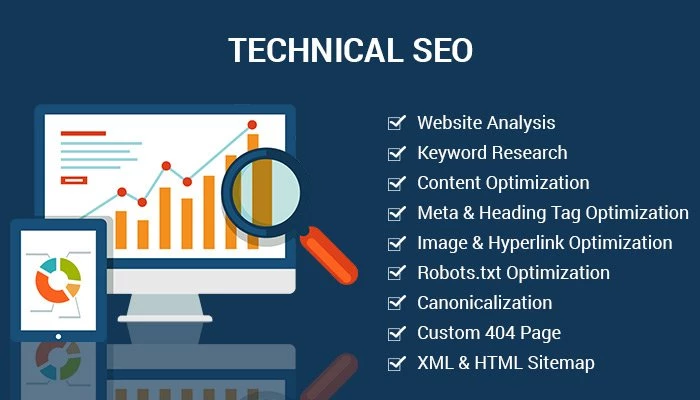
Understanding Technical SEO in 2025
It refers to optimizing the technical aspects of a website to ensure search engines can crawl, index, and understand your content effectively. It focuses on site architecture, page speed, URL structure, mobile optimization, and other backend improvements that strengthen your overall SEO performance.
When you master Technical SEO, you help search engines recognize your page as high-quality, fast, secure, and user-friendly. Google rewards such websites with higher rankings, better visibility, and improved user engagement.
Technical SEO is what ensures search engines can access, understand, and index your website correctly. A site might look visually stunning and include well-written content, but if it loads slowly, contains broken elements, or cannot be crawled efficiently, it will struggle to rank. That is why focusing on speed, crawlability, and stability is essential for long-term SEO success. In a digital world dominated by highly competitive niches, well-structured websites with clean technical foundations always gain an advantage.
One of the most important technical aspects is site speed. With users expecting near-instant loading times, slow pages lead to higher bounce rates and lower engagement. Google’s Core Web Vitals have made performance metrics even more critical in determining search rankings. Optimizing your images, using efficient code, enabling compression, improving server response time, and adopting a strong hosting environment are just a few measures that help boost speed. A fast site enhances both user experience and your authority in the eyes of search engines.
Why Technical SEO Is Essential for Site Performance
Technical SEO plays a major role in how search engines evaluate your website. A site with excellent Technical SEO loads faster, keeps users engaged, and makes it easy for search engines to understand the content.
Here’s why Technical SEO is important:
- It helps search engines crawl and interpret your site correctly
- It prevents indexing issues
- It improves page speed and user experience
- It builds site security
- It makes your website mobile-friendly
- It reduces bounce rates
- It supports long-term SEO health
In 2025, Google’s algorithms focus heavily on performance, usability, and efficiency—making Technical SEO more relevant than ever.
Key Components of Technical SEO
To improve your digital presence, you must understand the core elements of Technical SEO. Below are the most important components that influence your ranking and performance.
1. Site Speed Optimization
Page speed is a crucial part of Technical SEO. Slow-loading pages frustrate users and negatively impact search rankings. Google uses page speed as a ranking factor, and websites must load quickly to stay competitive.
Here’s how to improve site speed:
- Compress large images
- Enable browser caching
- Use a fast hosting server
- Minimize CSS and JavaScript files
- Use a CDN for global users
- Remove unnecessary plugins
Faster pages lead to better engagement, conversions, and SEO performance.
2. Mobile Optimization
With most users visiting websites through mobile devices, Google uses mobile-first indexing. This makes mobile optimization a core part of Technical SEO.
A mobile-friendly site includes:
- Responsive design
- Fast loading on mobile networks
- Easy navigation
- Touch-friendly buttons
- Proper font sizes
Improving mobile usability strengthens your Technical SEO and enhances user satisfaction.
3. Secure Website (HTTPS) as a Technical SEO Priority
Website security is no longer optional. Google considers HTTPS essential for ranking. If your site still uses HTTP, your Technical SEO score drops, and users may see a “Not Secure” message.
Implementing HTTPS boosts:
- Security and trust
- Data protection
- Search rankings
- User confidence
Every site in 2025 must be secure for both SEO and user safety.
4. Crawlability and Indexing in Technical SEO
Crawlability determines whether search engines can access your pages. Indexing determines whether those pages appear in search results. Both are critical factors in Technical SEO.
Improve crawlability with:
- XML sitemaps
- Clean robots.txt file
- Clear internal linking
- Proper URL structure
- Removing broken links
If search engines cannot crawl your content, they cannot rank it.
5. Fixing Duplicate Content with Technical SEO
Duplicate content confuses search engines and harms your ranking. Technical SEO addresses this through canonical tags, proper redirects, and structured URLs.
Use canonical tags to tell Google:
- Which version of a page is “master”
- Which duplicate pages should not be indexed
This ensures your site avoids dilution of SEO value.
6. Structured Data (Schema Markup)
Schema markup helps search engines understand your content better. It is a powerful part of Technical SEO, especially for generating rich results like:
- FAQs
- Reviews
- How-to steps
- Events
- Ratings
Adding schema increases click-through rates and improves visibility.
7. URL Structure Optimization
Clean, simple, keyword-rich URLs help both users and search engines. Best practices include:
- Short URLs
- Descriptive keywords
- Lowercase letters
- No symbols
- Hyphens instead of underscores
This supports better crawling and indexing within your Technical SEO strategy.
8. Internal Linking Strategy
Internal links help search engines understand the relationship between pages. They also keep users engaged longer.
Benefits of internal linking in Technical SEO:
- Guides crawlers throughout your site
- Distributes page authority
- Reduces bounce rate
- Helps users explore more content
A strong internal linking structure is one of the simplest ways to improve ranking.
How to Improve Technical SEO in 2025
Once you understand the basics, you can apply effective strategies to strengthen your Technical SEO. Here’s how to optimize your website for better performance in 2025.
1. Perform a Technical SEO Audit
Start by evaluating your website’s current condition. Use tools like:
- Google Search Console
- Google PageSpeed Insights
- Screaming Frog
- Semrush
- Ahrefs
Audits highlight issues that need immediate attention.
2. Improve Core Web Vitals
Core Web Vitals are a major ranking factor for Technical SEO in 2025.
Focus on:
- LCP (Largest Contentful Paint)
- FID (First Input Delay)
- CLS (Cumulative Layout Shift)
Improving these metrics ensures smooth loading and better user experience.
3. Optimize for Voice Search
As voice search grows, optimizing your Technical SEO for conversational queries becomes essential. Use:
- Natural language
- Structured data
- FAQ schema
- Clear headings
Voice search will play a major role in SEO growth by 2025.
4. Strengthen Image and Video SEO
Multimedia content needs optimization too.
For Technical SEO:
- Add alt text
- Compress images
- Use descriptive file names
- Provide video transcripts
- Add video schema
Optimized media improves search visibility and user experience.
5. Resolve Technical Errors
Fix technical issues like:
- Broken links
- Redirect loops
- Orphaned pages
- 404 errors
- Slow scripts
These errors weaken your Technical SEO and reduce ranking potential.
Future Trends and Beyond
Digital trends evolve constantly, and Technical SEO must evolve with them. Here’s what to watch in 2025:
- AI-driven indexing
- Faster algorithm updates
- Deeper mobile optimization
- Broader use of schema
- New ranking signals for UX
- More emphasis on security
- Personalized search results
Staying updated helps you maintain long-term SEO success.
Benefits of Effective Technical SEO
Strong Technical SEO delivers long-lasting benefits:
- Faster website performance
- Better search rankings
- Higher organic traffic
- Improved user experience
- Increased trust and credibility
- Enhanced conversion rates
- Long-term stability
Without Technical SEO, your website’s potential remains limited.
Final Thoughts on Technical SEO: How to Boost Your Site’s Performance
Mastering Technical SEO is essential for building a powerful, fast, and user-friendly website, especially as we move deeper into 2025. Search engines have evolved significantly over the years, and today they prioritize performance, mobile optimization, security, and a clean site structure more than ever before. This means your website’s technical health is no longer optional—it is the backbone of your entire digital presence. Without it, even the best content and strongest marketing strategies may fail to achieve their full potential.
Another essential area is mobile optimization. Since mobile-first indexing is now standard practice, Google primarily evaluates the mobile version of your website for ranking. This makes responsive design, touch-friendly features, readability, and navigational ease more important than ever. A mobile-optimized site is not just an SEO requirement—it is a business necessity because most users browse, shop, and search on their phones. A seamless mobile experience builds trust and keeps visitors engaged longer.
Additionally, good technical SEO supports content performance. When your website loads quickly, is easy to crawl, and works flawlessly across devices, your content gets more exposure and engagement. Even the most valuable information performs better when supported by a solid technical foundation. This synergy between content and technical structure is what truly elevates your overall SEO strategy.
In conclusion, by prioritizing performance, security, mobile responsiveness, crawlability, and usability, you create a strong digital foundation for growth. A technically optimized website not only ranks better but also provides an exceptional user experience that keeps visitors coming back. In 2025 and beyond, the smartest investment you can make for your online success is mastering Technical SEO and committing to its ongoing refinement.
Get in touch by clicking here